


Presentations

When assessing the viability of an investment, investors attempt to calculate the business’s or product’s net-present value (NPV). The NPV combines a project’s likelihood of success with an estimate of the money it may make over time to determine its present value to investors. The price-setting provisions of the IRA reduce the NPV of any drug candidate at launch by 40%. If investors aren’t confident they will earn a return on their investment, they won’t invest in new drug candidates, and most ideas will never leave the laboratory.



Europe and the United Kingdom undervalue new medicines. If the United States adopted European-style price controls, the world would benefit from fewer new cures–and we’d all be worse off.




This slide deck contains a powerful visual illustration of the biotech industry’s race to find a cure for Hepatitis C. Run through the slide deck quickly to appreciate the sheer level of hustle that won the world a cure, and then more slowly to appreciate every move in the chess game of mergers & acquisitions.
Videos & Animations

Why do some health plans charge out-of-pocket costs for cancer treatments? Doctor-prescribed treatments authorized by your insurer should have zero copays.

1 in 7 Americans has an autoimmune disease. But some insurance plans charge high out-of-pocket costs for prescribed medicines? Why? We paid our premiums. Don't make patients pay twice.

Why do some health plans charge out-of-pocket costs for cancer treatments? Doctor-prescribed treatments authorized by your insurer should have zero copays.

Why do some health plans charge out-of-pocket costs for chronic conditions like Diabetes? Doctor-prescribed treatments authorized by your insurer should have zero copays.

Why do some health plans charge out-of-pocket costs for chronic conditions like Asthma? Doctor-prescribed treatments authorized by your insurer should have zero copays.

The Massachusetts biotech industry leads the world in innovation and drug development. But its companies don’t have the support of its own leaders. Why?

An independent and autonomous FDA is a key part of ensuring that the biotech innovation ecosystem can continue to thrive. As an agency, it is the gold standard globally for determining risk-reward benefit in therapies for patients, and the world looks to it to lead the way. The people at the FDA are trying hard to make sure that we actually make progress, and their work is a service to the American public.

America is the global leader in biomedical innovation because it has a market that values new medicines. When other countries pay less, they are free-riding on our willingness to pay for new treatments. Forcing drug manufacturers to charge the same price that these other countries mandate would backfire. Instead, policymakers should use trade negotiations to pressure other wealthy countries to pay their fair share.

Drug development is costly. Who takes the risk and funds the hope of new medicines? Investors do. How do they know which ones will work? They often don't.

At No Patient Left Behind, we believe for insurance to really be insurance it should fully cover the drugs your doctor prescribes when you’re sick–without high out-of-pocket costs.

Who creates new medicines? It takes teams of innovators working with the support of private funding to reach risky new summits and provide patients with new cures.


Medicines help us feel better, but there are so many other things that make medicines valuable. Learn about the many benefits of medicines and the ways that insurers overlook their value to all of us.
Research
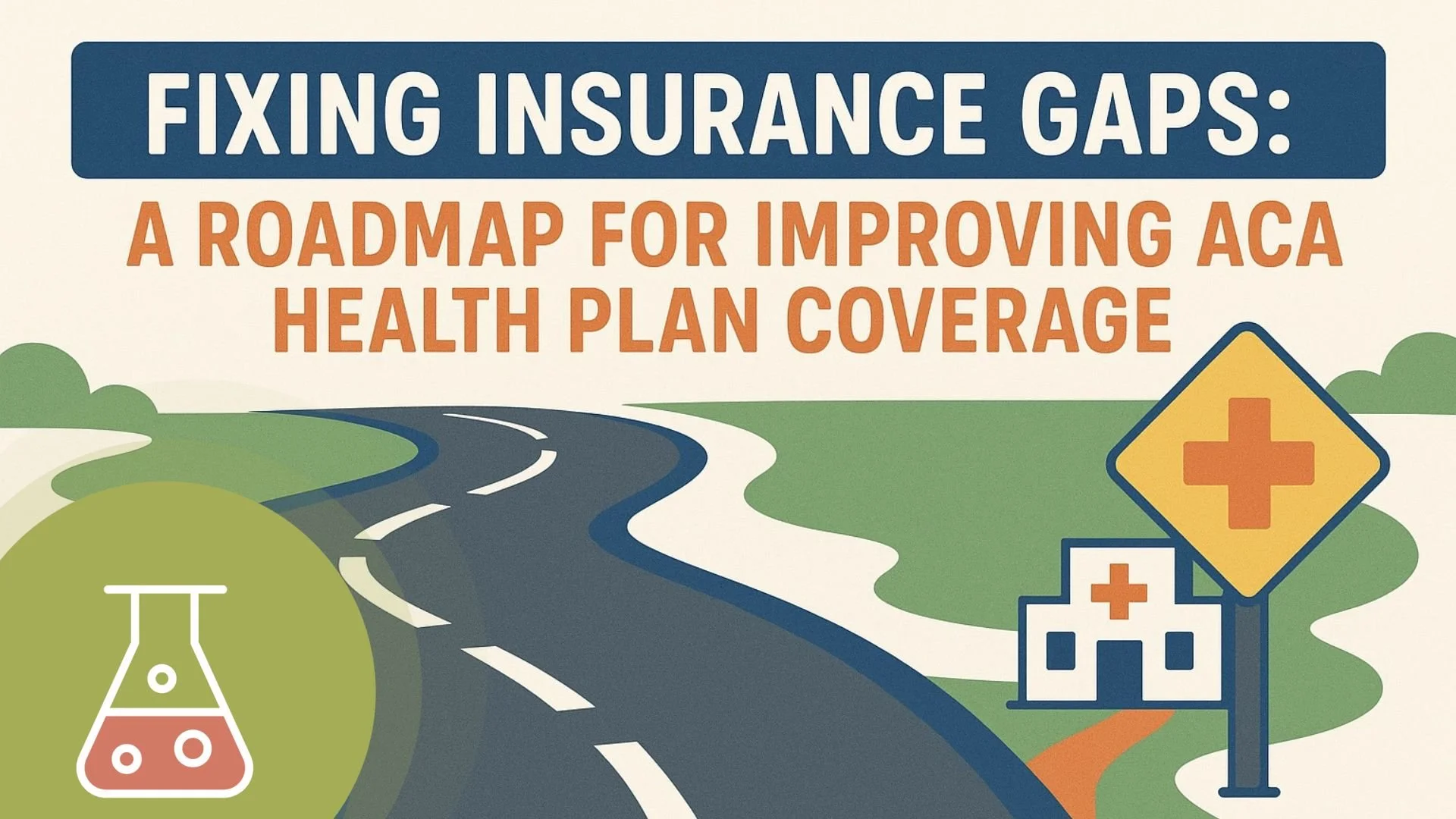
This Issue Brief presents new data showing that, despite increased federal subsidies and enrollment since 2022, many ACA exchange plans have raised OOP drug costs—undermining the law’s core promise of affordable care.


When measuring the value of new medicines, some countries rely on an outdated and incomplete methodology that understates the true value of innovative treatments. Setting prices in the U.S. based on these artificially low estimates of value would reduce investment in biomedical R&D and yield fewer novel medicines that address critical unmet needs of patients.

The methods many countries use to evaluate new medicines significantly underestimate the true societal benefits of innovative treatments. When high-income countries use traditional methods as a bargaining tool to deny coverage and/or secure lower prices, they free ride on the R&D investments of others and reduce patient access to novel medicines in their own countries.


A new survey demonstrates that a majority of consumers want health plans to lower out-of- pocket costs, but are concerned state government price controls will harm access and not reduce costs


Letters & Public Comments
NPLB's response to the Senate Finance Committee Minority Staff Request for Information (RFI) on Commonsense Policy Options to Lower Drug Prices for Patients. Read our response here.

We write as patients, people with disabilities, caregivers, and the organizations that represent us – people who live every day with serious, chronic, and rare diseases, and who depend on continued medical progress to survive and to thrive. We are urging you to oppose Most Favored Nation (MFN) drug pricing policies that would import foreign prices set using system known to delay and deny patient access, and to instead advance patient-centered solutions that can lower costs without sacrificing American innovation.

For decades, the United States has built an internationally respected research enterprise by empowering expert peer review, encouraging collaboration across institutions and disciplines, and providing researchers with the stability needed to pursue difficult scientific questions whose answers may take years to emerge. This system is not perfect and appropriately has built-in levers during the annual appropriations process that allow for accountability, but what we must not overlook is that it has produced extraordinary benefits for patients, taxpayers, and the American economy. The proposed rule would fundamentally alter that model.

As a coalition of biotechnology and pharmaceutical innovators, patient advocates, investors, and physicians working at the forefront of science and medicine, we write at this pivotal moment to recommend a leader who can secure and strengthen the U.S. Food and Drug Administration: Dr. Richard Pazdur.

As we indicated in our November 20th letter, No Patient Left Behind (NPLB)'s coalition of biotech investors, innovators, researchers, physicians, and patient advocates is deeply concerned about the direction of the FDA. We further wish to highlight and emphasize the issues raised in the December 3, 2025 Perspective published in the New England Journal of Medicine by twelve FDA commissioner predecessors.

US biotech innovators and investors value FDA prioritizing the recruitment and retention of clinical, scientific and regulatory specialists who offer innovators the benefit of experienced, case-specific guidance and problem-solving. This institutional expertise is especially important to small, early-stage, and pre-commercial US biopharma entrepreneurs, who account for the majority of new drug and biologic applications submitted to the FDA.
Our modern world needs a modern FDA with the capacity to accelerate access to safe, effective treatments while sustaining U.S. leadership in biotechnology. PDUFA VIII offers a historic opportunity to make the drug review program faster, more consistent, and more transparent by prioritizing core review activities, modernizing processes, strengthening accountability, and embracing patient-centered science.

American patients and taxpayers disproportionately fund the global R&D ecosystem that enables life- saving medical advances, while wealthy countries impose price controls that underpay by as much as 60% relative to their economic capacity. Adopting the Most Favored Nation (MFN) approach for price setting undermines U.S. leadership in medical innovation, hurts patients at home and abroad, and also impairs global progress against disease.

US biomedical innovators, the investors that support them, and the patients who depend on continued medical progress rely on the US Food and Drug Administration’s guidance and rigor to navigate policy and medical standards and to approve new medicines. The agency’s reorganization must preserve the institutional knowledge and core functionality that makes the FDA the world’s leading regulatory body.

When other countries pay less for drugs, they are free-riding on American innovation and our willingness to pay for new treatments. Forcing manufacturers to charge the same price that these other countries do would backfire. Instead, policymakers should use trade negotiations to pressure other wealthy countries to pay their fair share. No Patient Left Behind wrote to the Office of the United States Trade urging an end to unfair trade practices in drug pricing.

No Patient Left Behind wrote to the Office of the United States Trade Representative regarding the 2025 Special 301 Review, urging the agency to use its tariff and market access tools to force OECD countries to pay their fair share for medical innovation and end the free-riding of American biomedical innovation.

The independence and autonomy of the Food and Drug Administration (FDA) is a key part of ensuring that the biotech innovation ecosystem can continue to thrive. As an agency, it is the gold standard globally for determining risk-reward benefit in therapies for patients, and the world looks to it to lead the way. The people at the FDA facilitate the medical progress we all enjoy, and their work is a service to the American public.

There is an assault on the foundation of U.S. science. Recent actions—including arbitrarily restricting scientists' ability to speak and travel and stalling the dispersal of previously awarded NIH and NSF funds—are more than bureaucratic disruptions. They are an assault on the foundation of biomedical and technological progress.

No Patient Left Behind (NPLB) wrote to the Centers for Medicare and Medicaid services (CMS) urging the agency to allow Medicare to cover anti-obesity medications (AOMs) and to strengthen patient protection “guardrails” through better oversight of Medicare Advantage Part D (MAPD) plans.
Media
We recently submitted a public comment letter to the Office of Management and Budget (OMB) about their proposed changes to the rules governing federal grants. The sweeping changes would make it easier for federal research funding to be terminated based on shifting political priorities, threatening the long-term stability that scientific research requires to succeed. 170+ people joined us and signed onto our letter to highlight how the proposed rule could introduce significant uncertainty into America's research enterprise.
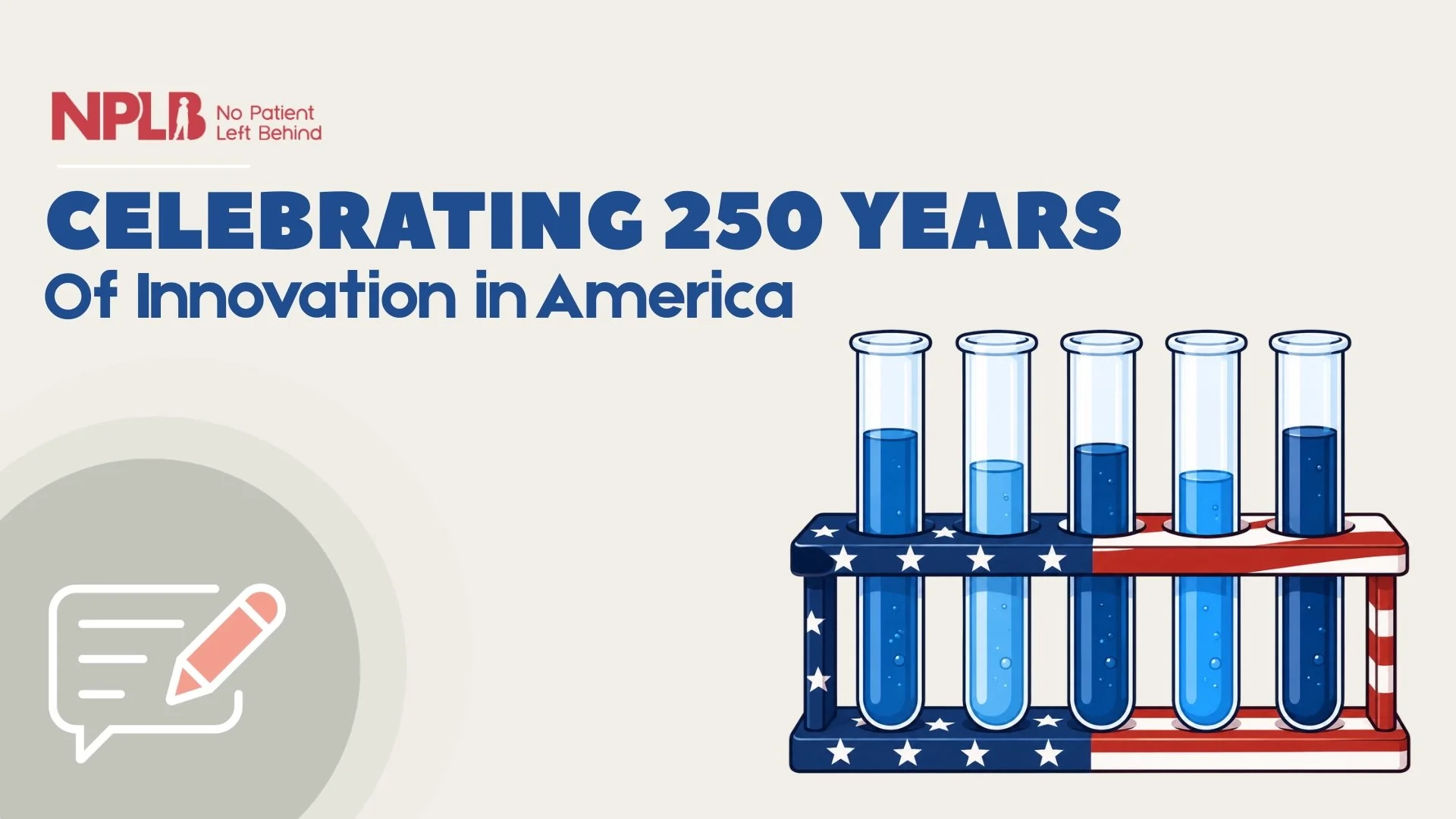
As we celebrate 250 years of American independence, we're also celebrating something that has transformed and saved countless lives: America's unparalleled record of medical innovation.
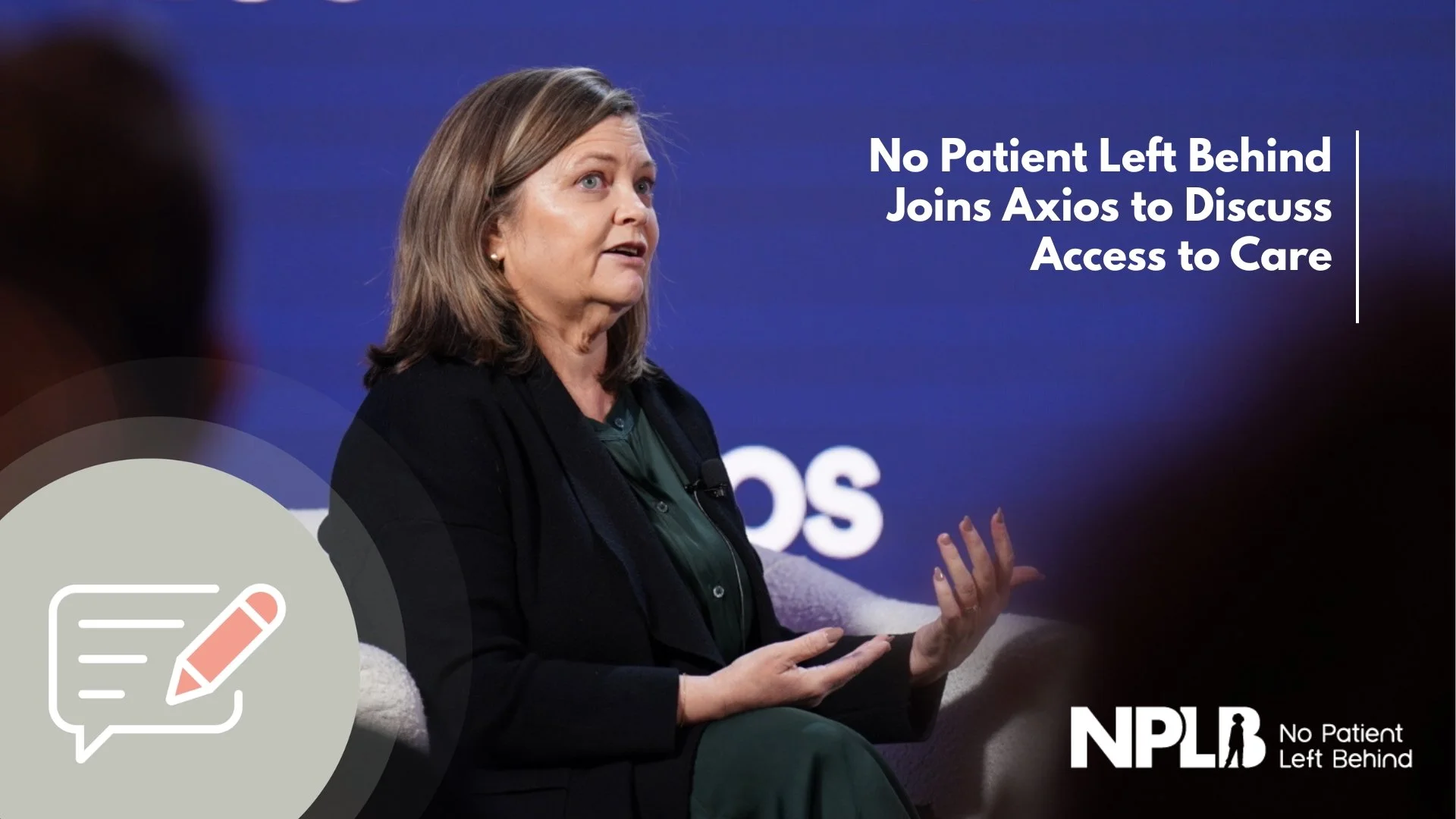
NPLB’s Executive Director, Priscilla VanderVeer, speaks with Axios about the forces shaping access to critical treatments, especially for patients with cancer, rare diseases, and chronic conditions.
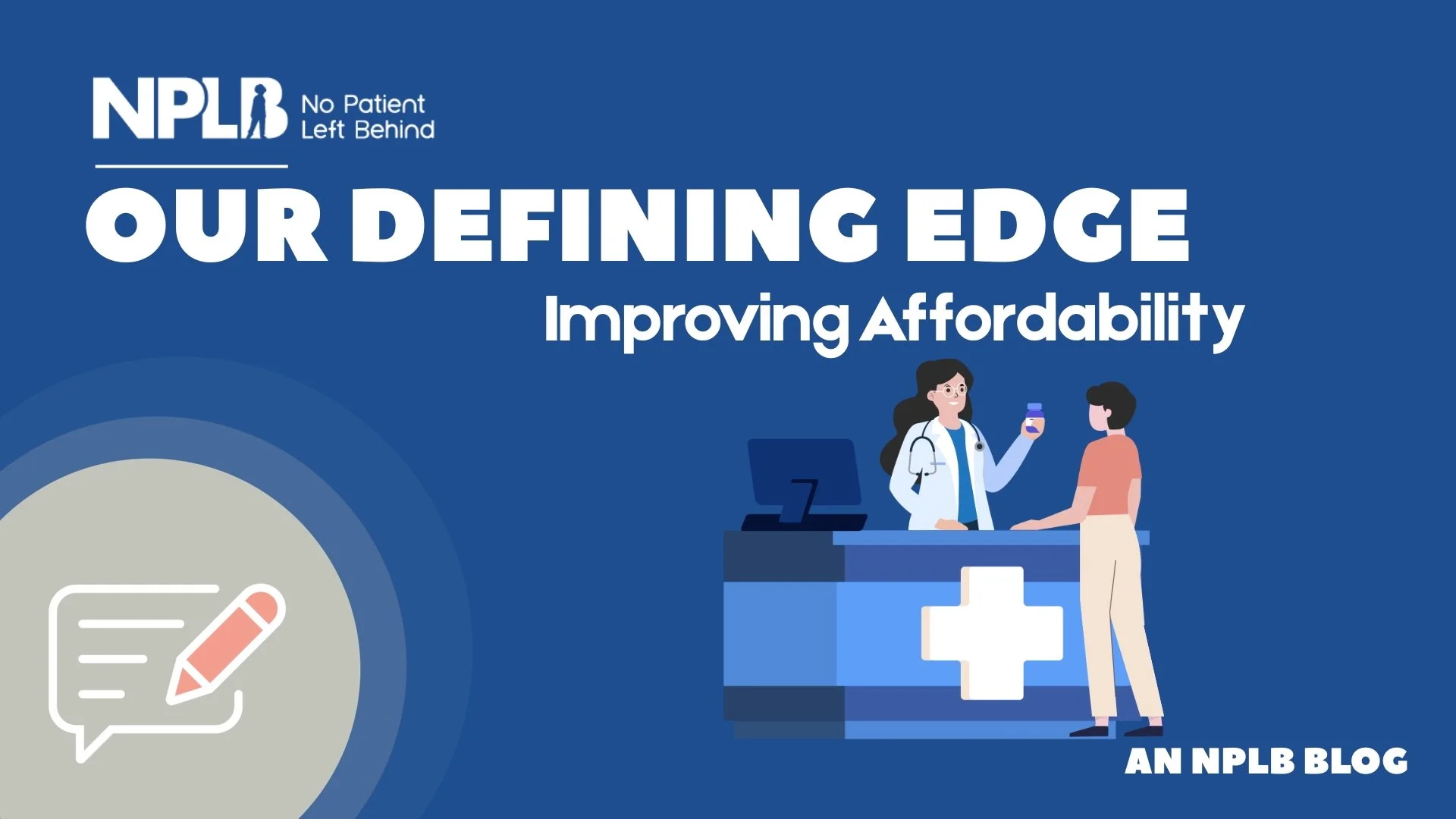
In this series, we’re exploring how we use our defining edge to bring clarity and credibility to policy debates. Most of us pay our health insurance premiums so that if we do get sick or injured, the treatments our doctors prescribe will be covered. But increasingly, that coverage is coming with high out-of-pocket costs.
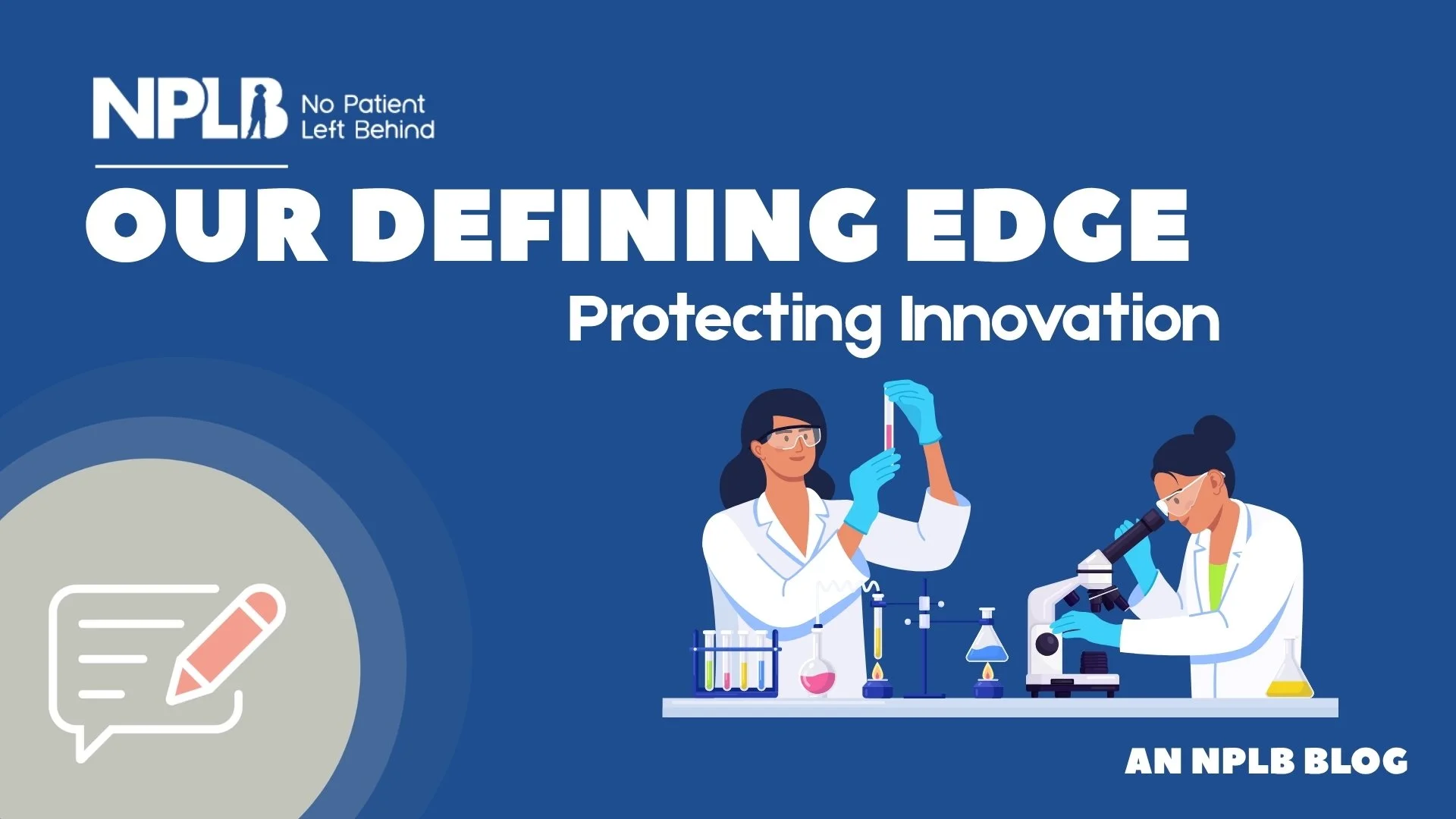
In this series, we’re exploring how we use our defining edge to bring clarity and credibility to policy debates. As the debate on “Most Favored Nation” policies started to heat up last year, No Patient Left Behind delivered issue briefs and comment letters that helped media and regulators better understand this policy’s risks. We also used analyses to share our concerns about the Inflation Reduction Act’s pill penalty.
In this series, we’re exploring how we use our defining edge to bring clarity and credibility to policy debates. When FDA capabilities and NIH funding first came under threat last year, No Patient Left Behind activated our network to gather real-time, actionable insights.
If we systematically undervalue medicine, we’ll under-invest in future innovation, which means we’ll end up with fewer of the breakthroughs we desperately need. That leaves us all worse off. Let's stop overlooking elements of value. The transplant that changed my life is proof that investing in innovation pays dividends for patients, for caregivers, for the health care system, and for all of us.
For people living with chronic disease, health insurance shouldn’t be another hurdle. We should spend our energy and focus fighting for the best lives we can, not fighting against insurance companies. To learn more about how to #FixInsurance so it works as it should, visit https://www.nopatientleftbehind.org/fixinsurance.
My kidneys started failing when I was just five years old. Decades later, ongoing innovation has kept me alive. This National Kidney Month, let’s celebrate progress and push for policies that ensure treatment advances are affordable and accessible. Learn more at https://www.nopatientleftbehind.org/protect-innovation.
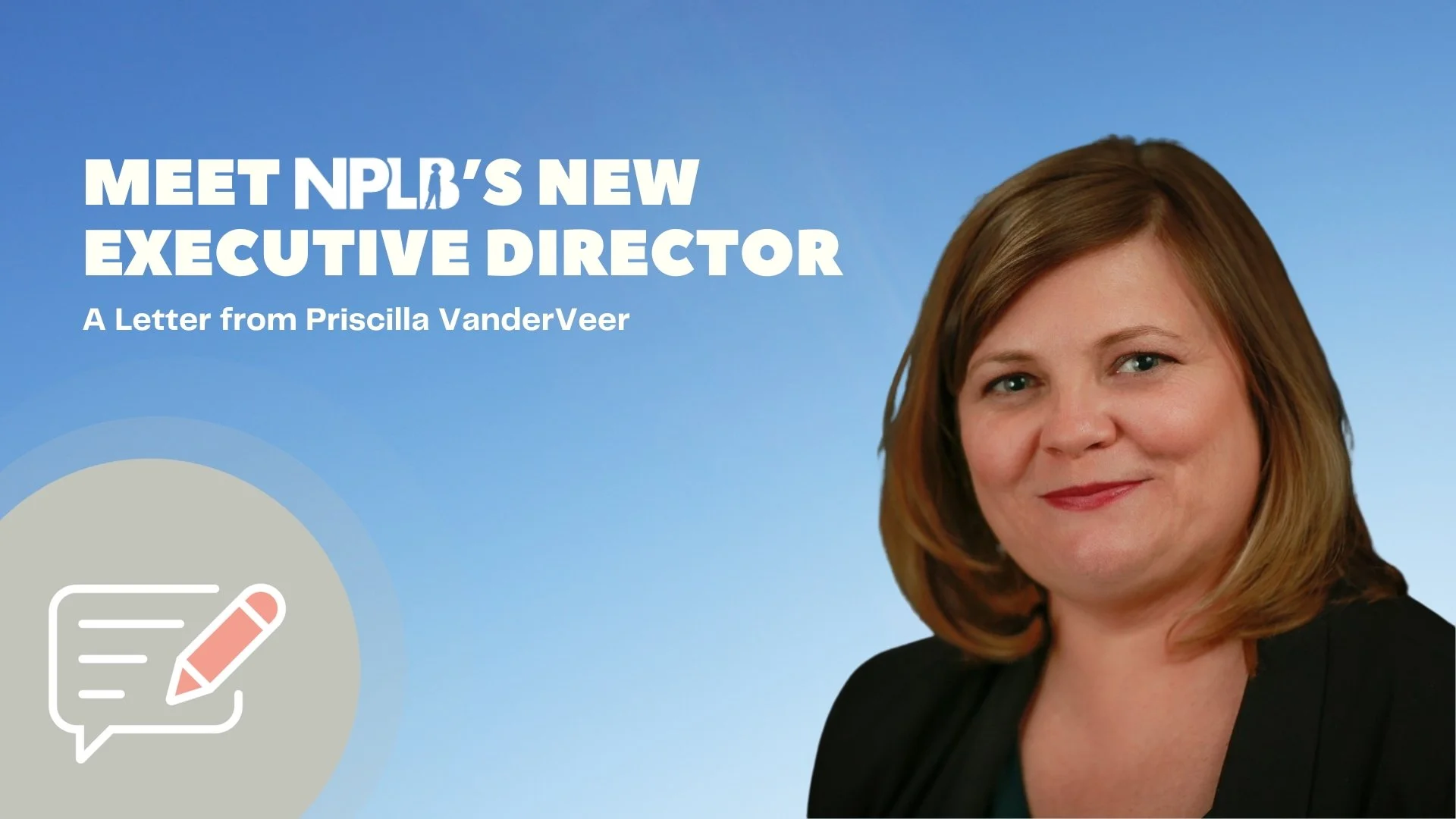
In her first message as Executive Director, Priscilla VanderVeer discusses No Patient Left Behind’s commitment to patient access, innovation, and policy credibility.

Our modern world needs a modern Food and Drug Administration (FDA). As PDUFA VIII offers a historic opportunity to make the drug review program faster, more consistent, and more transparent, here are a few suggestions we heard from our network of experts.


Community Quest

Over 250,000 Americans, including children, are living with muscular dystrophies, a group of genetic disorders that causes their muscles to grow weaker.
Behind every statistic is a person fighting for more time, and behind them is a team of scientists, investors, and patient advocates working toward a cure.

Nearly 60 million Americans, including millions of children, struggle with a mental illness.
Behind every statistic is a person fighting for more time, and behind them is a team of scientists, investors, and patient advocates working toward a cure.
Each year, over 80,000 American adults and children are diagnosed with lymphoma, a cancer of the immune system.
Behind every statistic is a person fighting for more time, and behind them is a team of scientists, investors, and patient advocates working toward a cure.

Nearly 7 million Americans are living with dementia, a group of progressive brain disorders that affect memory, thinking, and the ability to do everyday things.
Behind every statistic is a person fighting for more time, and behind them is a team of scientists, investors, and patient advocates working toward a cure.

More than 1 million Americans are blind, and more than 12 million Americans are losing their vision.
Behind every statistic is a person fighting for more time, and behind them is a team of scientists, investors, and patient advocates working toward a cure.

Over 6 million Americans are living with Alzheimer's disease, the most common form of dementia.
Behind every statistic is a person fighting for more time, and behind them is a team of scientists, investors, and patient advocates working toward a cure.

Over 65,000 Americans are diagnosed with pancreatic cancer every year.
Behind every statistic is a person fighting for more time, and behind them is a team of scientists, investors, and patient advocates working toward a cure.

Nearly 1.5 million older Americans have lost or are losing their vision from wet age-related macular degeneration, also known as wet AMD.
Behind every statistic is a person fighting for more time, and behind them is a team of scientists, investors, and patient advocates working toward a cure.

Over 50,000 Americans, including children, live with some form of myositis.
Behind every statistic is a person fighting for more time, and behind them is a team of scientists, investors, and patient advocates working toward a cure.

Over 60,000 Americans, including many children, are diagnosed each year with leukemia.
Behind every statistic is a person fighting for more time, and behind them is a team of scientists, investors, and patient advocates working toward a cure.

Over 3 million Americans and 50 million people worldwide suffer from epilepsy, a neurological disease that causes recurring seizures.
Behind every statistic is a person fighting for more time, and behind them is a team of scientists, investors, and patient advocates working toward a cure.

Over 600,000 Americans suffer from autoimmune nephropathy, which occurs when your immune system attacks your kidneys.
Behind every statistic is a person fighting for more time, and behind them is a team of scientists, investors, and patient advocates working toward a cure.

Each year, over 230,000 Americans are diagnosed with lung cancer, the second most common cancer in the United States and the leading cause of cancer-related deaths.
Behind every statistic is a person fighting for more time, and behind them is a team of scientists, investors, and patient advocates working toward a cure.

Tens of millions of Americans are living with liver disease, which can be caused by heavy alcohol use, a viral infection, a genetic disorder, or problems with a person's metabolism.
Behind every statistic is a person fighting for more time, and behind them is a team of scientists, investors, and patient advocates working toward a cure.
Op-eds and blog posts
We recently submitted a public comment letter to the Office of Management and Budget (OMB) about their proposed changes to the rules governing federal grants. The sweeping changes would make it easier for federal research funding to be terminated based on shifting political priorities, threatening the long-term stability that scientific research requires to succeed. 170+ people joined us and signed onto our letter to highlight how the proposed rule could introduce significant uncertainty into America's research enterprise.
As we celebrate 250 years of American independence, we're also celebrating something that has transformed and saved countless lives: America's unparalleled record of medical innovation.
NPLB’s Executive Director, Priscilla VanderVeer, speaks with Axios about the forces shaping access to critical treatments, especially for patients with cancer, rare diseases, and chronic conditions.
In this series, we’re exploring how we use our defining edge to bring clarity and credibility to policy debates. Most of us pay our health insurance premiums so that if we do get sick or injured, the treatments our doctors prescribe will be covered. But increasingly, that coverage is coming with high out-of-pocket costs.
In this series, we’re exploring how we use our defining edge to bring clarity and credibility to policy debates. As the debate on “Most Favored Nation” policies started to heat up last year, No Patient Left Behind delivered issue briefs and comment letters that helped media and regulators better understand this policy’s risks. We also used analyses to share our concerns about the Inflation Reduction Act’s pill penalty.
In this series, we’re exploring how we use our defining edge to bring clarity and credibility to policy debates. When FDA capabilities and NIH funding first came under threat last year, No Patient Left Behind activated our network to gather real-time, actionable insights.
If we systematically undervalue medicine, we’ll under-invest in future innovation, which means we’ll end up with fewer of the breakthroughs we desperately need. That leaves us all worse off. Let's stop overlooking elements of value. The transplant that changed my life is proof that investing in innovation pays dividends for patients, for caregivers, for the health care system, and for all of us.
For people living with chronic disease, health insurance shouldn’t be another hurdle. We should spend our energy and focus fighting for the best lives we can, not fighting against insurance companies. To learn more about how to #FixInsurance so it works as it should, visit https://www.nopatientleftbehind.org/fixinsurance.
My kidneys started failing when I was just five years old. Decades later, ongoing innovation has kept me alive. This National Kidney Month, let’s celebrate progress and push for policies that ensure treatment advances are affordable and accessible. Learn more at https://www.nopatientleftbehind.org/protect-innovation.
In her first message as Executive Director, Priscilla VanderVeer discusses No Patient Left Behind’s commitment to patient access, innovation, and policy credibility.
Our modern world needs a modern Food and Drug Administration (FDA). As PDUFA VIII offers a historic opportunity to make the drug review program faster, more consistent, and more transparent, here are a few suggestions we heard from our network of experts.

Cambridge is home to the world's most innovative biotech companies. Resident Neil Kairen explains the importance of this industry and suggests explanations for why so many misunderstand its value.

Community Outreach
Cambridge is home to the world's most innovative biotech companies. Resident Neil Kairen explains the importance of this industry and suggests explanations for why so many misunderstand its value.


Researchers in Pennsylvania are working on a cure for Parkinson’s. Price controls threaten their progress.

A company in Virginia is working on a vaccine to protect babies from rotavirus and norovirus.
Press Releases
As the Senate Committee on Health, Education, Labor and Pensions holds a hearing on how competition can lower prescription drug prices, No Patient Left Behind’s executive director, Priscilla VanderVeer, shared the following statement.
No Patient Left Behind Welcomes Priscilla VanderVeer as
Executive Director. VanderVeer brings decades of experience advancing patient-centered policy at the intersection of innovation, access, and affordability.
Plans have increased patients’ prescription drug out-of-pocket costs by 36%, on average, since 2021
Outdated Cost-Effectiveness Analysis (CEA) Methodology Abroad Can Delay Access to Life-Saving Medicines for Patients in the U.S. and Globally and Disincentivize Future Innovation

86 percent of respondents shared concerns that state-run Prescription Drug Affordability Boards (PDABs) will limit treatment options; 51 percent said medicines prescribed by their doctor were denied by their insurer

We’re building support across the biotech ecosystem
BECOME A FIRST RESPONDER & THOUGHT PARTNER
Sign up to receive action alerts. Help protect access to lifesaving medicines & preserve innovation for those still waiting for a cure.