
Featured





We’re pleased to welcome Ben Cohen, Ph.D., MPH, as Senior Director of Health Economics. For years, NPLB has worked to demonstrate the full value of biomedical innovation. Ben’s addition to our team strengthens NPLB’s ability to help innovators demonstrate the full value of the medicines they’re developing. Read more here.
As policymakers debate Most Favored Nation (MFN) drug pricing, I joined more than 350 patients, people with disabilities, caregivers, and patient organizations to urge them to consider what these policies could mean for patients. Read more here.
Countries with strong R&D and domestic manufacturing capacity are hard to pressure and displace. Read more here.
As the Alzheimer's crisis grows, we don’t have a choice between whether we’ll spend the money to treat this disease or not. Our choice is whether we want to keep paying the enormous and growing cost of managing this disease, or value the science that can change its trajectory. Read more here.
We recently submitted a public comment letter to the Office of Management and Budget (OMB) about their proposed changes to the rules governing federal grants. Read more here.
As we celebrate 250 years of American independence, we're also celebrating something that has transformed and saved countless lives: America's unparalleled record of medical innovation.
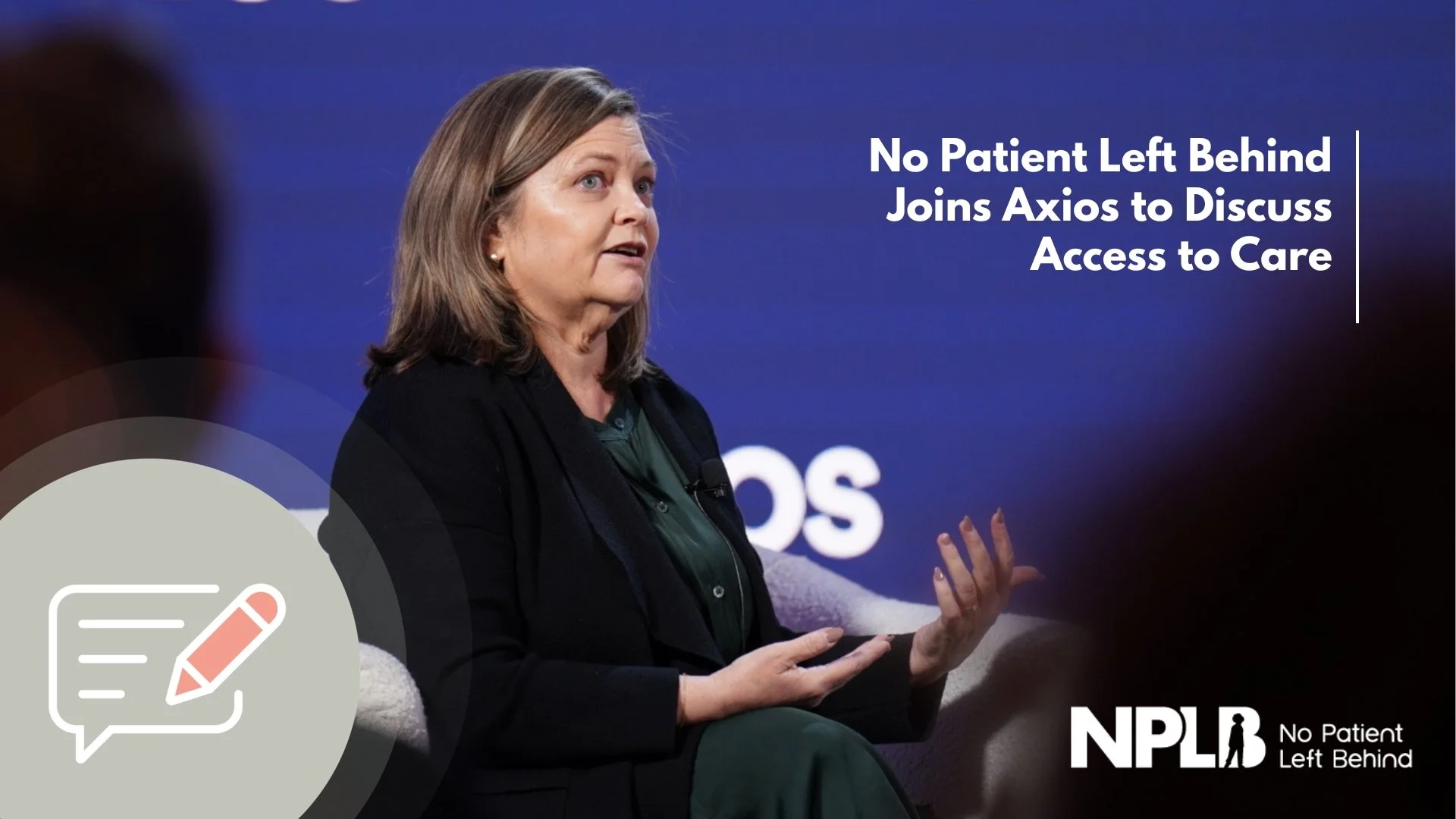
NPLB’s Executive Director, Priscilla VanderVeer, speaks with Axios about the forces shaping access to critical treatments, especially for patients with cancer, rare diseases, and chronic conditions.
In this series, we’re exploring how we use our defining edge to bring clarity and credibility to policy debates. Most of us pay our health insurance premiums so that if we do get sick or injured, the treatments our doctors prescribe will be covered. But increasingly, that coverage is coming with high out-of-pocket costs.
In this series, we’re exploring how we use our defining edge to bring clarity and credibility to policy debates. As the debate on “Most Favored Nation” policies started to heat up last year, No Patient Left Behind delivered issue briefs and comment letters that helped media and regulators better understand this policy’s risks. We also used analyses to share our concerns about the Inflation Reduction Act’s pill penalty.
In this series, we’re exploring how we use our defining edge to bring clarity and credibility to policy debates. When FDA capabilities and NIH funding first came under threat last year, No Patient Left Behind activated our network to gather real-time, actionable insights.
If we systematically undervalue medicine, we’ll under-invest in future innovation, which means we’ll end up with fewer of the breakthroughs we desperately need. That leaves us all worse off. Let's stop overlooking elements of value. The transplant that changed my life is proof that investing in innovation pays dividends for patients, for caregivers, for the health care system, and for all of us.
For people living with chronic disease, health insurance shouldn’t be another hurdle. We should spend our energy and focus fighting for the best lives we can, not fighting against insurance companies. To learn more about how to #FixInsurance so it works as it should, visit https://www.nopatientleftbehind.org/fixinsurance.
My kidneys started failing when I was just five years old. Decades later, ongoing innovation has kept me alive. This National Kidney Month, let’s celebrate progress and push for policies that ensure treatment advances are affordable and accessible. Learn more at https://www.nopatientleftbehind.org/protect-innovation.
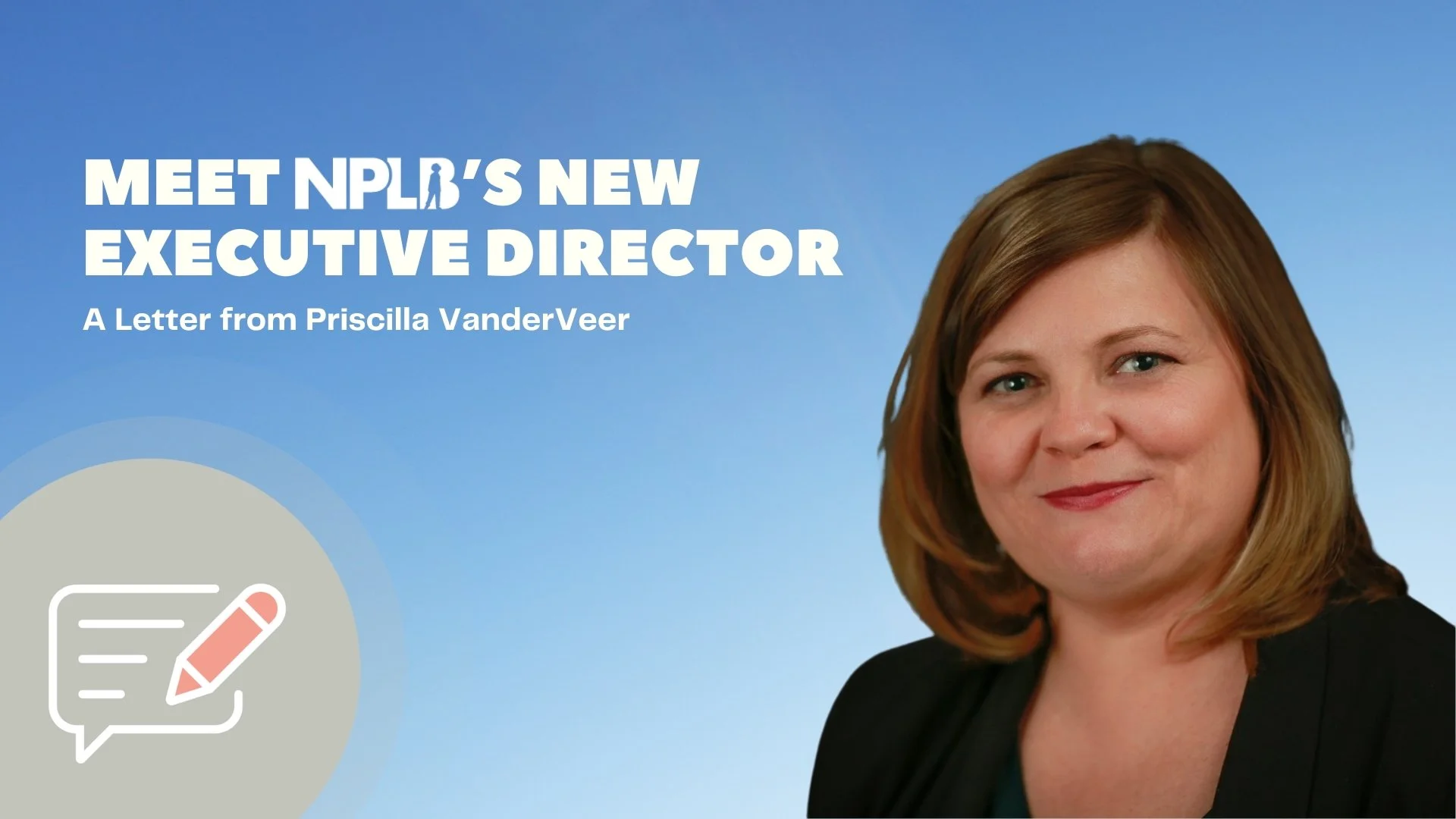
In her first message as Executive Director, Priscilla VanderVeer discusses No Patient Left Behind’s commitment to patient access, innovation, and policy credibility.
Our modern world needs a modern Food and Drug Administration (FDA). As PDUFA VIII offers a historic opportunity to make the drug review program faster, more consistent, and more transparent, here are a few suggestions we heard from our network of experts.
Here are five policies President Biden should include in his State of the Union address on Thursday.