
By: Priscilla VanderVeer
I spoke at STAT Summit and BioFuture 2026 last month to talk about how we can address the challenges in our healthcare system.
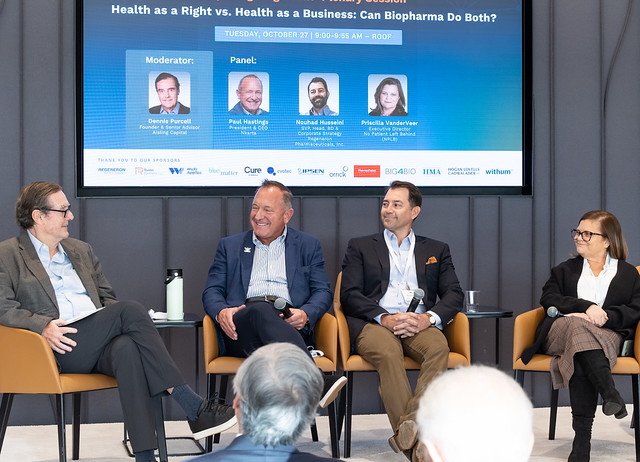
During each conversation, I shared our key belief at NPLB: that society does not have to accept a false choice between rewarding breakthrough medical innovation and ensuring affordable access for patients.
Here are my 3 key takeaways from these conversations:
1. We Need to Fix Insurance: Insurers currently force people to pay twice for their healthcare. The first time is through rising insurance premiums, and the second is via steep out-of-pocket expenses at the pharmacy counter. Under this unfair system, the sickest people end up with the most unaffordable bills.
A major flaw in modern benefit design is charging patients in high-deductible health plans based on full list prices while insurers and pharmacy benefit managers (PBMs) receive substantial negotiated discounts. Take insulin, where those discounts middlemen get can be 80% or more, but the price patients pay doesn’t reflect that discount.
To deliver immediate relief, policymakers and industry leaders should focus on practical steps over the next 12 months:
Out-of-Pocket Caps: Extend the $2,000 out-of-pocket prescription cap established under Medicare Part D to ACA commercial plans.
First-Dollar Coverage: Ensure first-dollar coverage for essential medications so patients can access therapies before meeting high deductibles.
Share savings: Require insurers and their PBMs to base patient cost sharing on the negotiated, not list, price of their medicines.
2. We Need to Redefine Value Through a Patient-Centric Lens: True healthcare value includes whether a treatment lets a person maintain personal independence, stay in the workforce, and pursue education. Value assessment frameworks need to incorporate these real-world patient benefits, not just direct medical cost offsets.
That’s why we recently brought on our own health economist, and why we’re collaborating with early-stage biotech companies to integrate robust, patient-centric value narratives early in drug development. That way, innovators can better demonstrate the holistic impact of novel therapies to payers and regulators, and push back on other models that fail to account for the true value medicines bring to patients, caregivers, and society.
3. We Need to Protect Future Breakthroughs: We can make medicines more affordable without compromising scientific progress. We need to keep rewarding high-risk, capital-intensive research, which is why we’re worried about codifying government price-setting like “Most Favored Nation (MFN)” policies and expanding the price-setting provisions in the Inflation Reduction Act (IRA).
Broad price caps will destabilize the global drug development ecosystem and stall the creation of critical future treatments for complex, high-burden conditions such as Alzheimer's, rare diseases, cancer, and others. And they threaten to cede America’s leadership in biomedical innovation to other countries.
Thanks to the teams at STAT and BioFuture for the invitations to speak at their summits. I love opportunities like this to connect with others doing this work. We don’t always agree on every point, but it’s rare that we can’t find common ground and join forces on changes that will help patients today and protect patient access to medicines in the future.
Together, we can build a healthcare system that truly leaves no patient behind.